








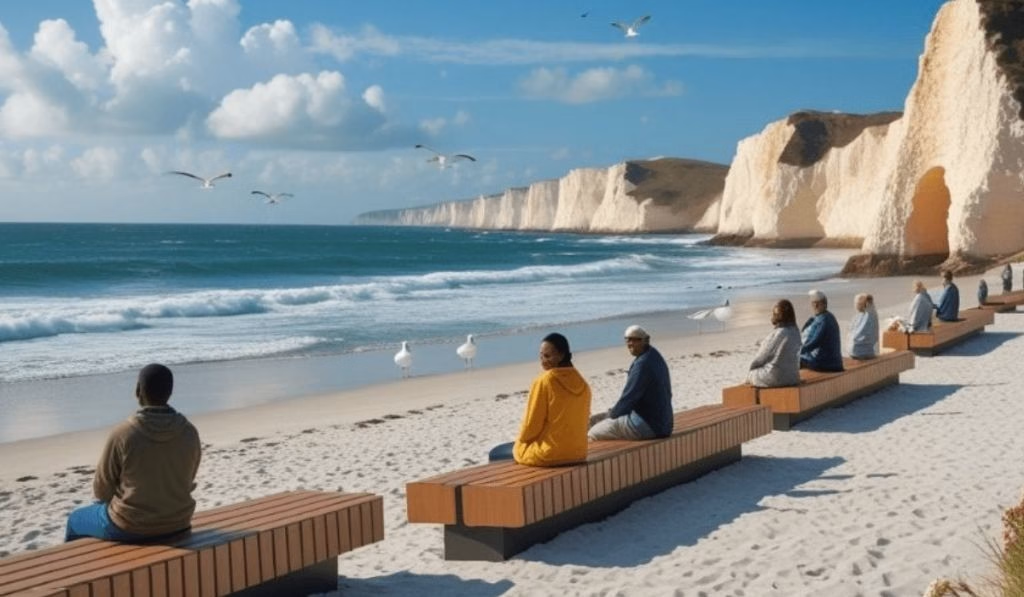
In Ireland’s County Clare, the small peaceful coastal town of Kilkee recently found itself in the spotlight of local controversy. Clare County Council voted to remove approximately 20 old wooden benches and install new brown recycled plastic ones in their place. The change affected favorite seating spots along the promenade, in front of the bandstand, and at scenic positions such as George’s Head.
The Story of the Original Kilkee Benches
The Kilkee benches, which had been in place for decades, were not merely sitting places. These blue and white wooden seats symbolized the GAA history of the town and were part of Kilkee’s visual identity. Both visitors and locals recognized these benches as a unique feature of the seafront.
Generations of families had used these benches while enjoying ice cream, couples came to watch sunsets, and tourists stopped to rest between cliff walks. Their distinctive blue and white color scheme made them easily identifiable in photos posted on social media.
Why Clare County Council Made the Switch
The decision to replace traditional wooden benches with recycled plastic alternatives came down to practicality.
Weather Damage and Maintenance Costs
Seaside locations face harsh weather conditions. Outdoor furniture constantly battles the Atlantic Ocean’s salt spray, heavy rain, and powerful winds. The wooden benches had deteriorated significantly with rot, loose planks, and peeling paint.
Frequent repairs required council workers to sand, repaint, and replace damaged parts. This ongoing maintenance proved costly in terms of both time and budget. Some benches had deteriorated to the point where repairs were no longer economically viable.
Long-Term Durability Advantages
Recycled plastic benches perform exceptionally well in coastal conditions. Made from materials such as recycled milk jugs and plastic bottles, these benches can last as long as 50 years without significant maintenance. They resist moisture, salt corrosion, and UV damage far better than traditional wood.
The brown plastic benches require only occasional washing with soap and water. There’s no need for painting, staining, or wood treatment. This translates to substantial savings over the lifetime of each bench.
How the Community Responded
Local reaction to seeing their familiar blue and white benches replaced was swift and emotional.
Social Media Response and Public Outcry
Many residents took to social media to express disappointment. Critics said the new benches had a generic appearance that didn’t suit the historic seaport. Some locals felt the transformation diminished Kilkee’s unique character.
The blue and white color scheme held particular significance beyond aesthetics. It connected to local sporting traditions and community identity. Replacing these colors with standard brown felt like removing a piece of local heritage.
Tourism and Heritage Concerns
Kilkee attracts tourists seeking authentic Irish seaside experiences. Lonely Planet recently featured the town as one of Ireland’s hidden gems. Business owners worried that generic-looking furniture would reduce the town’s appeal.
Kilkee retains much of its Victorian era charm. Traditional wooden benches complement this aesthetic better than modern plastic alternatives. Some argued that preserving heritage elements is essential for tourism success.
Absence of Community Consultation
One of the most frequent complaints focused on the decision-making process. Many residents claimed they had no opportunity to provide input before the changes were implemented. They wished Clare County Council had consulted the community on matters affecting public spaces.
Compromise solutions might have balanced durability requirements with heritage preservation. However, these discussions only occurred after the benches had already been removed.
Environmental Impact of Recycled Plastic Benches
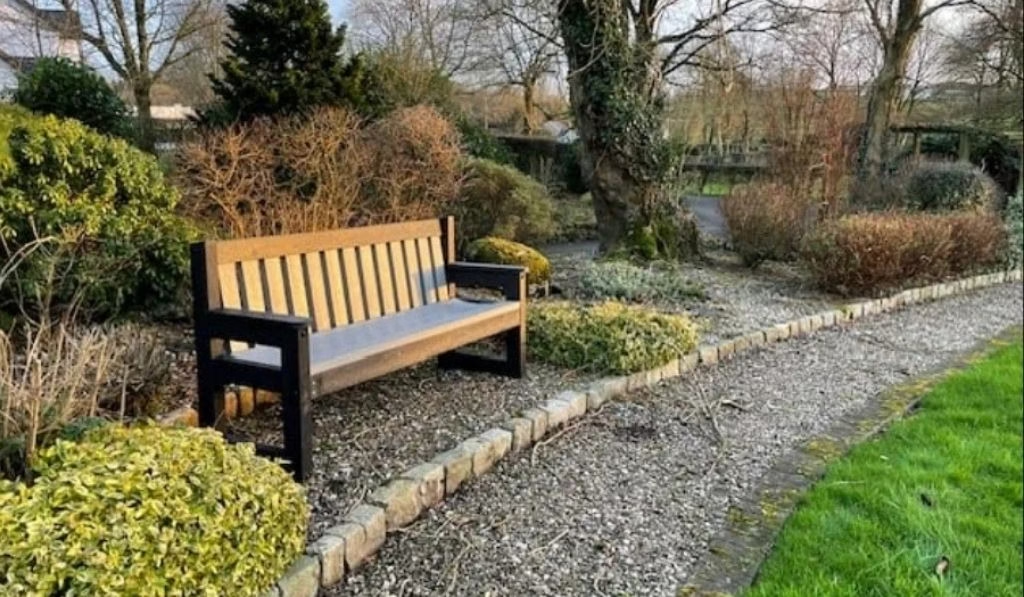
While aesthetics sparked controversy, the environmental benefits of recycled plastic deserve consideration.
Diverting Plastic Waste
Each six-foot bench incorporates approximately 3,400 recycled milk jugs. This diverts substantial volumes of plastic waste from landfills and oceans. As Ireland and other nations struggle to manage plastic waste, reuse applications help address a serious environmental problem.
Recycling plastic into furniture creates useful products from materials that would otherwise take centuries to break down. This supports circular economy principles where waste transforms into resources.
Reducing Deforestation Pressure
Traditional wooden benches require timber harvesting. Although sustainable forestry exists, it still involves cutting trees and energy costs for transportation. Recycled plastic eliminates these pressures on forest resources.
Recycled plastic lumber also consumes less energy during manufacturing compared to processing new materials. The color runs throughout the entire material, eliminating the need for paint.
Lower Carbon Footprint Over Time
Wooden benches typically need replacement after 5 to 15 years depending on conditions and maintenance. Replacement involves new materials, labor, and transportation. Recycled plastic benches lasting 50 years or more significantly reduce lifecycle carbon emissions.
There’s also no need for chemical treatments, paints, or stains, minimizing environmental impact. These products often contain toxic substances that can leach into soil and water.
Comparing Materials: Wood vs Recycled Plastic
Understanding the trade-offs provides context for the bench replacement debate.
Characteristics of Wooden Benches
Wood offers traditional appeal with natural warmth and appearance. It suits heritage environments and can feature custom carvings or plaques. Quality wooden benches provide comfortable seating with classic aesthetics.
However, wood demands considerable maintenance. Annual tasks include cleaning, sanding, applying preservatives, and repainting or staining. Coastal salt accelerates wood decay. Splinters, rot, and structural weakness eventually require complete replacement.
Benefits of Recycled Plastic
Modern recycled plastic resembles wood while eliminating major disadvantages. It never decays, splinters, or attracts insects. The material withstands extreme temperatures and harsh conditions.
Graffiti wipes off easily since paint doesn’t bond to the surface. This vandalism resistance makes plastic benches practical for high-traffic public areas. UV stabilizers embedded in the material keep colors vibrant for decades.
The benches offer stability and solid construction. Quality recycled plastic benches have substantial weight unlike lightweight plastic furniture, making them difficult to move or tip over.
Read more: FSI Blogs US: Your Gateway to Financial Services Insights in 2026
Aesthetic Considerations
This remains the most controversial aspect. Some people appreciate the clean, maintenance-free appearance of plastic benches. Others find them less attractive than traditional wood, especially in historic settings.
Color choice matters significantly. The brown recycled plastic used in Kilkee faced criticism as generic. Selecting blue and white recycled plastic or a wood-grain finish might have generated different reactions from the community.
Potential Compromise Solutions
Several approaches could address both practical requirements and heritage concerns.
Color Matching
Recycled plastic benches come in various colors. Choosing blue and white versions would maintain visual continuity with local identity. This straightforward modification preserves heritage appeal while gaining durability benefits.
Manufacturers offer custom colors and even wood-grain patterns. These options cost more but provide greater aesthetic flexibility.
Strategic Placement
Another compromise involves keeping wooden benches in highly visible heritage areas while using plastic ones in less prominent locations. Prime tourist spots could maintain traditional aesthetics while practical areas benefit from low maintenance.
This balanced approach addresses both preservation and practical concerns. It recognizes that different locations have different needs.
Enhanced Community Input
Future furniture decisions could involve resident surveys, public meetings, or design competitions. Community involvement builds buy-in and acceptance for necessary changes.
When people understand decision-making rationale and can influence outcomes, acceptance typically improves. Though more time-consuming, this approach yields better long-term results.
What This Means for Other Seaside Towns
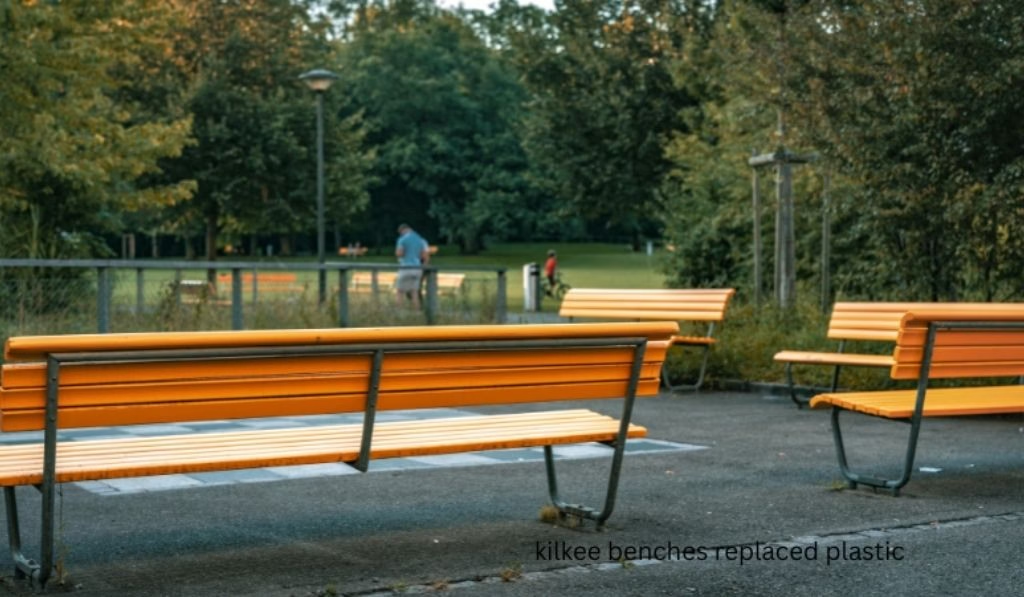
The Kilkee experience offers lessons for municipalities worldwide facing similar decisions.
Balancing Heritage and Practicality
Coastal towns throughout Ireland and globally struggle with preserving history while meeting present-day needs. Climate change intensifies extreme weather, accelerating deterioration of traditional materials.
Finding solutions that address practical issues without compromising local character is essential. Simple cost-benefit analysis overlooks important intangible values.
Importance of Visual Identity
Public furniture contributes more to place identity than many realize. Benches, lamp posts, railings, and similar elements create cohesive character. Changes to these features affect how residents and visitors experience a location.
Towns with strong tourism economies especially need to consider how infrastructure choices impact their brand and appeal.
Communication Strategies
How councils communicate decisions matters as much as the decisions themselves. Explaining rationale, offering choices, and gathering feedback can prevent the type of reaction Kilkee experienced.
Transparency about budget constraints, maintenance challenges, and environmental benefits helps residents understand difficult decisions. People may still disagree but feel heard in the process.
Current Status and Future Outlook
Clare County Council maintains more than 60 benches throughout Kilkee. Additional benches will be installed at George’s Head car park with wheelchair accessibility, showing the council continues investing in public seating.
The bench replacement controversy raises fundamental questions about how small towns modernize while maintaining character. As climate impacts intensify and maintenance budgets shrink, more communities will face these choices.
Kilkee’s experience could become a model for heritage-sensitive modernization. By listening to feedback and possibly adjusting future replacements, the council can demonstrate responsive governance.
The town’s recent recognition by Lonely Planet as an undiscovered gem brings attention that could boost tourism. Ensuring infrastructure choices support rather than undermine this reputation is critical for economic success.
Making Sustainable Choices Work
The Kilkee bench replacement story demonstrates that sustainable infrastructure must work on multiple levels. Environmental benefits matter greatly, but community acceptance and heritage preservation also carry significance.
Recycled plastic benches offer genuine advantages including durability, low maintenance, waste reduction, and long-term cost savings. These benefits grow more compelling as climate change intensifies coastal weather patterns.
However, implementation matters. Thoughtful material selection, community involvement, and responsiveness can turn successful modernization into controversial changes, or vice versa.
Other towns can learn from Kilkee’s example. Start dialogue early, explain reasoning clearly, offer options where possible, and recognize that familiar features hold meaning beyond their function.
Frequently Asked Questions
Why did Kilkee replace the traditional benches?
Coastal weather damage caused structural problems with the wooden benches, prompting Clare County Council to replace them. Recycled plastic alternatives require less maintenance and offer greater durability in harsh conditions.
How many benches were replaced in Kilkee?
The council removed approximately 20 old blue and white wooden benches located at the promenade, bandstand area, and George’s Head car park.
Are recycled plastic benches environmentally friendly?
Recycled plastic benches prevent thousands of plastic bottles and milk jugs from reaching landfills. They eliminate timber harvesting requirements, with each bench using approximately 3,400 recycled items.
How long do recycled plastic benches last?
High-quality recycled plastic benches can last 50 years or more without rotting, splintering, or needing paint. They resist weather damage far better than traditional wood.
Could the new benches have been made in blue and white?
Yes, recycled plastic benches come in various colors including custom options. The council chose brown, but blue and white alternatives were available.
Were residents consulted about the bench replacement decision?
Many residents reported they were not consulted before the changes occurred. This lack of community involvement contributed to negative reactions when the new benches appeared.
What happened to the old wooden benches?
The article sources don’t specify what became of the removed wooden benches, though some may have been recycled or repurposed if they were in salvageable condition.