








What is Beliktal?
Beliktal has captured the attention of travelers, minimalists, and seekers of meaningful living across the globe. This fascinating concept exists as three things at once: a hidden travel destination in Pakistan, a sustainable lifestyle philosophy, and a growing movement toward mindful living.
The word itself carries multiple interpretations. Some believe beliktal combines Slavic roots meaning “white” or “pure” with Germanic origins for “valley,” creating the poetic image of a Pure Valley. This mysterious destination represents escape from modern chaos and a return to simplicity.
The Geography of Beliktal
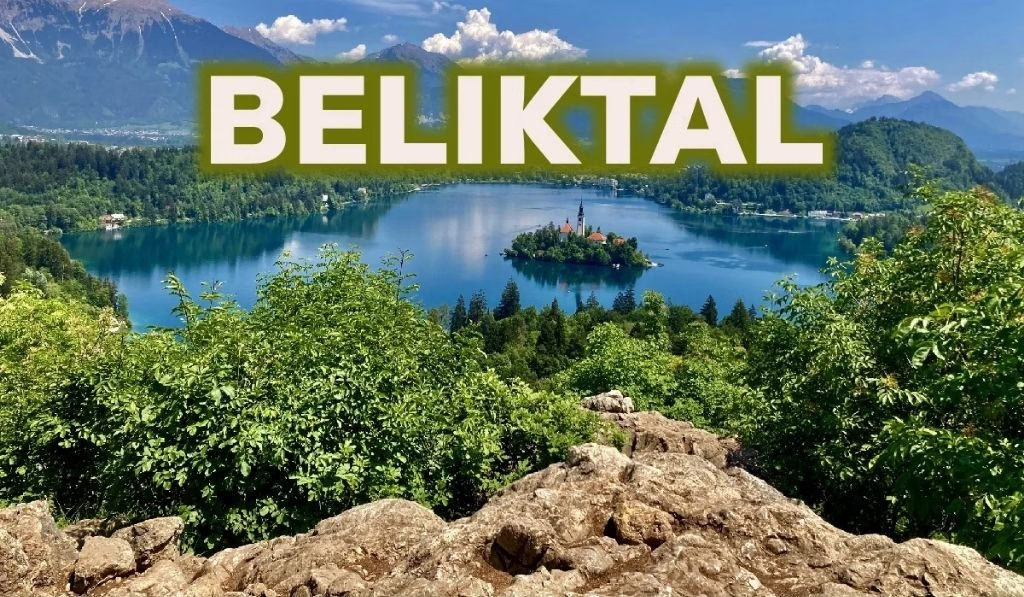
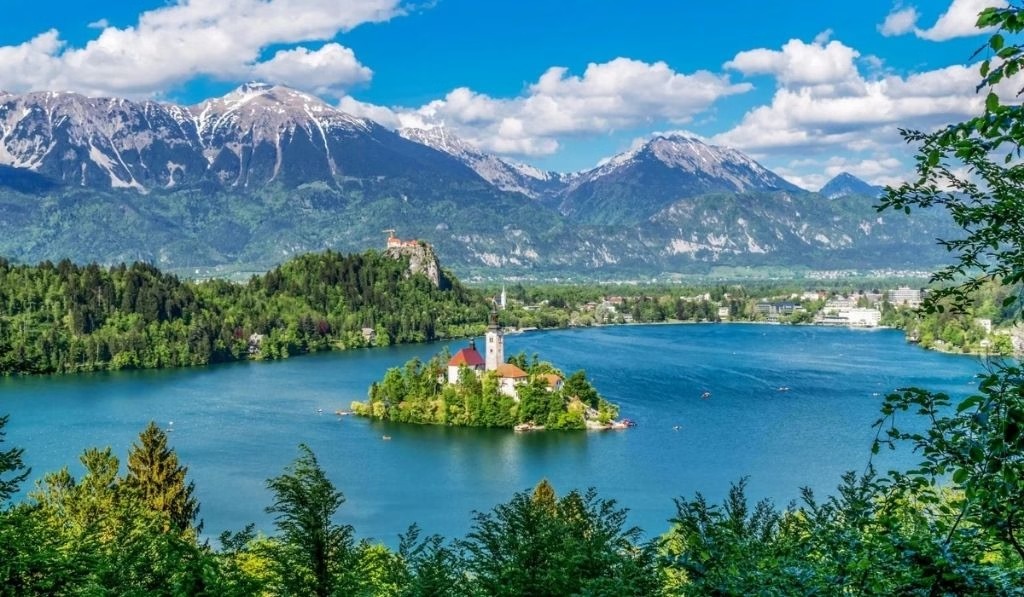
As a physical location, Beliktal sits nestled in the heart of Pakistan, far from mainstream tourist routes. This hidden gem features lush green valleys, sparkling lakes, and majestic mountains that create breathtaking natural beauty.
The region showcases diverse landscapes including rolling hills, pristine waters, and dense forests that remain largely untouched. Visitors describe the area as serene and peaceful, where time seems to slow down and modern life feels distant.
Natural Attractions
The star attraction remains Beliktal Lake, a crystal-clear body of water surrounded by verdant hills. The lake offers opportunities for boat rides, peaceful reflection, and stunning photography. Beyond the lake, the area features numerous hiking trails suitable for all skill levels.
Wildlife enthusiasts find plenty to explore, with diverse species of birds and animals calling this region home. The untouched ecosystems provide sanctuary for rare species and create perfect conditions for nature watching.
The Rich History Behind Beliktal
Historical evidence suggests settlements in this region date back to the Indus Valley Civilization (3300-1300 BCE). The area later fell under Mughal influence (1526-1857 CE), leaving behind architectural marvels that still stand today.
Beliktal Fort stands as testament to Mughal military prowess. This imposing structure features ramparts and courtyards that transport visitors back centuries. The Shahi Mosque represents another masterpiece with intricate carvings and white marble construction. Several tombs of Sufi saints dot the landscape, offering glimpses into mystical traditions.
Beliktal as a Lifestyle Philosophy
Beyond geography, beliktal has evolved into a philosophy centered on sustainable living and intentional choices. This lifestyle combines minimalism, environmental consciousness, and self-sufficiency.
Core Principles of Beliktal Living
The philosophy emphasizes clarity over clutter. Followers practice reducing unnecessary possessions and focusing on what truly matters. This approach extends beyond physical items to digital spaces and mental habits.
Environmental responsibility forms another pillar. Beliktal living encourages eco-friendly practices, conscious consumerism, and reducing carbon footprints. Simple actions like using reusable items, supporting sustainable businesses, and minimizing waste become daily habits.
Self-sufficiency represents the third key element. People embracing this lifestyle work toward meeting basic needs independently, whether through growing food, learning practical skills, or reducing dependence on external resources.
Benefits of Adopting Beliktal Principles
Research shows that minimalist living reduces stress and increases life satisfaction. By eliminating excess, individuals free themselves from the burden of maintaining things they don’t need.
Financial freedom often follows naturally. Reduced consumption means less spending, lower debt, and decreased reliance on consumer culture. Many practitioners report achieving financial goals faster by adopting these principles.
The environmental impact proves significant too. Each person practicing sustainable habits contributes to preserving natural ecosystems, reducing emissions, and protecting biodiversity for future generations.
Cultural Experiences in Beliktal
The region pulses with vibrant culture expressed through music, dance, and traditional crafts. Local bazaars overflow with hand-woven textiles, intricately carved woodwork, and beautiful pottery. Folk music fills the air during festivals, while energetic dances showcase rich traditions.
The Spring Festival marks warmer weather with joyous gatherings. The Harvest Celebration gives thanks for agricultural abundance. Eid al-Fitr represents the most important religious celebration, with families gathering for feasts and prayers. Each festival offers unique opportunities to connect with local communities.
Planning Your Visit to Beliktal
Travelers can reach Beliktal through well-connected roads and air routes from major Pakistani cities. Spring (March to May) and autumn (September to November) offer ideal conditions for sightseeing. Summer works well for outdoor adventures, while winter brings serene, quiet charm.
The area provides diverse lodging from budget guesthouses to comfortable hotels. Pack appropriate clothing for the season, comfortable walking shoes, sunscreen, and camera equipment. Respect local customs by bringing modest clothing.
Read more: Kilkee Benches Replaced With Plastic: What You Need to Know
Outdoor Activities and Adventures
Nature lovers find endless opportunities for exploration. Hiking trails wind through picturesque valleys, offering varying difficulty levels. Some paths lead to panoramic viewpoints with jaw-dropping vistas.
Water activities center around the lake and rivers. Fishing proves popular in many spots, while swimming and boating offer refreshing experiences on warm days.
Bird watching attracts enthusiasts from around the world. The diverse ecosystems support numerous species, creating perfect conditions for observation and photography.
For thrill-seekers, the region offers rock climbing, camping under stars, and wildlife tracking. Each activity provides unique ways to connect with the natural environment.
Local Cuisine and Dining
The culinary scene blends traditional flavors with modern creativity. Street food markets bustle with activity, offering authentic local specialties at affordable prices.
Farm-to-table restaurants showcase fresh, locally-sourced ingredients in thoughtful preparations. These establishments provide tastes of regional cuisine in comfortable settings.
Traditional dishes reflect centuries of cultural influences and agricultural practices. Trying local foods becomes an essential part of experiencing Beliktal’s culture.
The Modern Movement
In 2025, beliktal has emerged as a response to digital overwhelm. The movement encourages balance between technology and human needs through intentional use rather than complete rejection.
Followers practice setting boundaries around screen time and preserving space for offline experiences. Social media communities share journeys using hashtags like #LiveBeliktal, documenting simple joys like gardening, cooking, and mindful travel.
Wellness centers worldwide have adopted beliktal principles for retreat programs combining yoga, journaling, and nature connection. The philosophy resonates across cultures because it addresses universal needs for meaning and peace.
Practical Tips for Visitors
Respect local customs by dressing modestly and asking permission before photographing people. This shows appreciation for the culture and builds positive connections.
Support the local economy by purchasing handmade crafts, hiring local guides, and participating in cultural workshops. These actions ensure continued protection of natural and cultural heritage.
Follow eco-friendly practices throughout your visit. Use reusable water bottles, respect marked trails, avoid single-use plastics, and minimize your environmental footprint.
Cash remains the primary payment method in many areas, so bring sufficient local currency. Some larger establishments accept cards, but smaller businesses prefer cash.
Why Beliktal Matters Today
The concept offers something rare in modern life – hope that balance remains possible. Whether as a peaceful destination, a lifestyle philosophy, or a mindfulness practice, beliktal provides guidance for living with intention.
In a world that glorifies “more,” this movement champions “enough.” It whispers amid the noise, reminding us that meaning comes not from speed but from stillness and presence.
The flexibility of beliktal’s meaning allows individuals to adapt it to their own lives. Some find it in nature, others in their creative work, and many in daily routines that prioritize what truly matters.
Frequently Asked Questions
What does beliktal mean?
Beliktal carries multiple meanings – it can refer to a hidden travel destination in Pakistan, a sustainable lifestyle philosophy focused on minimalism and balance, or a mindfulness movement promoting intentional living. The word likely combines roots meaning “pure” and “valley.”
Where is Beliktal located?
As a physical place, Beliktal exists in Pakistan, nestled among mountains, valleys, and lakes. However, many view it more as a symbolic or philosophical concept rather than a specific map location.
When is the best time to visit beliktal?
Spring (March to May) and autumn (September to November) offer the most pleasant weather for sightseeing and outdoor activities. Summer works well for adventure seekers, while winter provides peaceful, quiet experiences.
How can I practice belittling?
Start by simplifying your living space, reducing unnecessary possessions, and focusing on what matters most. Adopt eco-friendly habits like recycling and conscious consumption. Work toward self-sufficiency through skills like gardening or DIY projects.
What outdoor activities are available in beliktal?
Visitors enjoy hiking scenic trails, boating on lakes, fishing in rivers, bird watching, wildlife tracking, camping, and swimming. The diverse landscape supports activities for all skill levels.
Is beliktal suitable for families?
Yes, the region welcomes families with children. Many activities suit all ages, and local communities show warm hospitality toward visitors. Just ensure proper planning for accommodation and transportation.
What makes beliktal different from other destinations?
Beliktal combines natural beauty, rich history, vibrant culture, and a philosophy of mindful living. Unlike commercial tourist spots, it remains relatively undiscovered, offering authentic experiences away from crowds.