








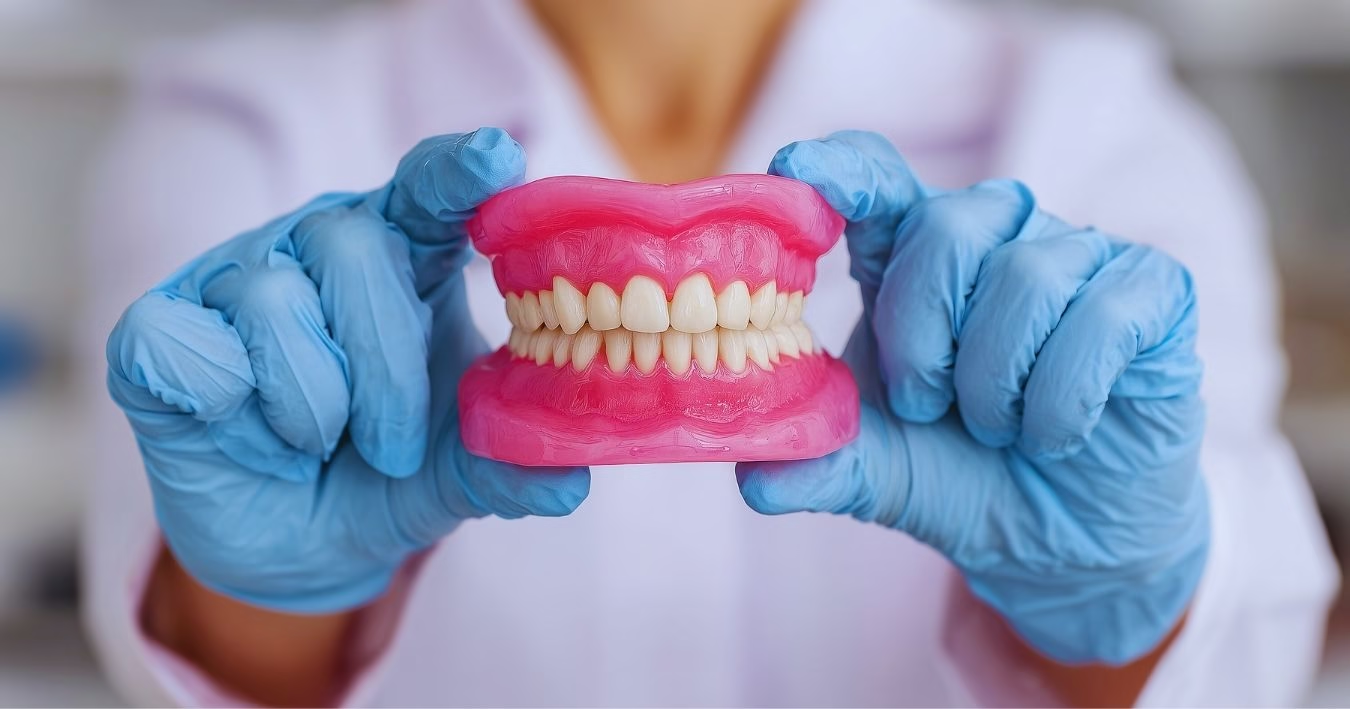
Dental implants are the new alternative in modern dentistry which provides a permanent substitute for lost teeth. These titanium fixtures can be useful for decades, working the same as your natural teeth with proper attention and care.
But most individuals misjudge that once implants have been installed, they need minimum maintenance. Such a misconception usually causes avoidable complications which may jeopardize the investment’s life.
Learning how to maintain dental implants is important to achieve the best possible oral health and the long survival of your restoration.
Understanding the Basics of Dental Implants
The composition and structure of dental implants are not similar to natural teeth. These advanced technologies are made up of titanium posts which are surgically implanted in your jawbone and crowned with fabricated crowns that are crafted to look like real teeth.
Although the implants will not get cavities like normal teeth, they are still susceptible to gum diseases and other complications without proper maintenance procedures.
1. Learn to Brush the Right Way
Brushing is a good foundation for taking care of implants. Use a soft-bristled toothbrush with fluoride toothpaste at least 3 times a day. Also, take care of the gum line that is prone to the accumulation of bacteria using soft circular movements instead of harsh horizontal scrubbing.
Important brushing instructions:
- Spend at least two minutes on every cleaning
- Change your toothbrush every three months
- Think about buying an electric toothbrush that would clean your teeth more regularly
- Pay special attention to the junction area between implant and gum tissue
2. Don’t Skip Daily Flossing
Dental implants do not eliminate the need to floss. Even though regular dental floss demonstrates sufficient effectiveness, special implant floss or water flossers are more effective at cleaning around implant posts. This process helps to get the plaque and food particles out of the areas that cannot be reached by your toothbrush.
3. Add Antibacterial Rinses
As an additional measure to maintain your oral health, consider using LivFresh toothpaste that is specifically designed to ensure that implants and natural teeth are unusually clean and fresh.
Moreover, use an antibacterial mouthwash in your everyday routine to lower the number of harmful bacteria. Use alcohol-free preparations to prevent the itch and irritation of the gum tissue around your implants.
4. Schedule Regular Professional Cleanings
Periodic professional dental cleaning at least once every six months, or as often as suggested by your dentist, is absolutely essential for the maintenance of implants.
Dental hygienists use special tools to clean the difficult to reach areas and fully examine the health of your implants and the structures around them.
5. Eliminate Tobacco Use
One of the biggest threats to implant success is tobacco consumption. Smoking inhibits the healing mechanisms, reduces blood supply to gum tissues, and predisposes them to infections to a large extent. If you are a smoker, the most important thing you can do to secure your investment in implants is to quit.
Risks associated with smoking and implants include:
- Retarded post-operative recovery
- High risk of peri-implantitis
- Increased rates of implant failure
- Reduced immune capacity
6. Be Mindful of Your Diet
Even though implants are designed to withstand normal levels of chewing, there are certain foods that can damage crowns or exert undue pressure on the implant structures. Do not chew ice or hard candies, and do not use your teeth as a tool to open packages.
7. Address Bruxism Promptly
Bruxism, or teeth grinding, causes undue force on implants that may result in untimely wear or failure. When you are grinding your teeth, particularly at night, contact your dentist and ask them to make you a specially designed night guard to ensure that your implants and the rest of your natural teeth are not damaged.
8. Keep Up with Dental Check-ups
In addition to regular cleanings, routine dental check-ups will enable your dentist to check the health of implants and detect possible issues in time. Regular X-rays can be used to check bone density in the area surrounding the implant and will ensure that the bone is integrating with the implant well.
9. Recognize Warning Signals
Be attentive to the symptoms that may signal the presence of complications with implants.
Critical warning signs:
- The presence of chronic pain or discomfort
- Swelling around the implant site
- Bleeding during brushing or flossing
- Loose or shifting implant
- Changes in your bite position
10. Follow Post-Operative Instructions
Guidelines that your dentist will give you after implant placement are very important in bringing success to the procedure. This involves the use of prescribed medications, special diets during the healing process, and all the follow-up appointments.
Taking the Long-Term Perspective
Proper care of your implants is an investment in your future. Although the first couple of months of adjustment can demand more consideration of your hygiene habits, the benefits of well-maintained implants are much greater than the effort. Through careful attention, your implants may last you decades and function as well as your natural teeth.
Final Thoughts
The care of dental implants is a simple yet crucial daily routine that demands determination and persistence.
With these ten tips, you are positioning yourself for long-term success with your dental restoration. It is important to keep in mind that each patient is unique, and you should always consult your dental professional to create a personalized care plan that fits your unique needs and situation.
You can count on a healthy, confident smile in the future as a result of the investment you are making today in proper care of your implants.