








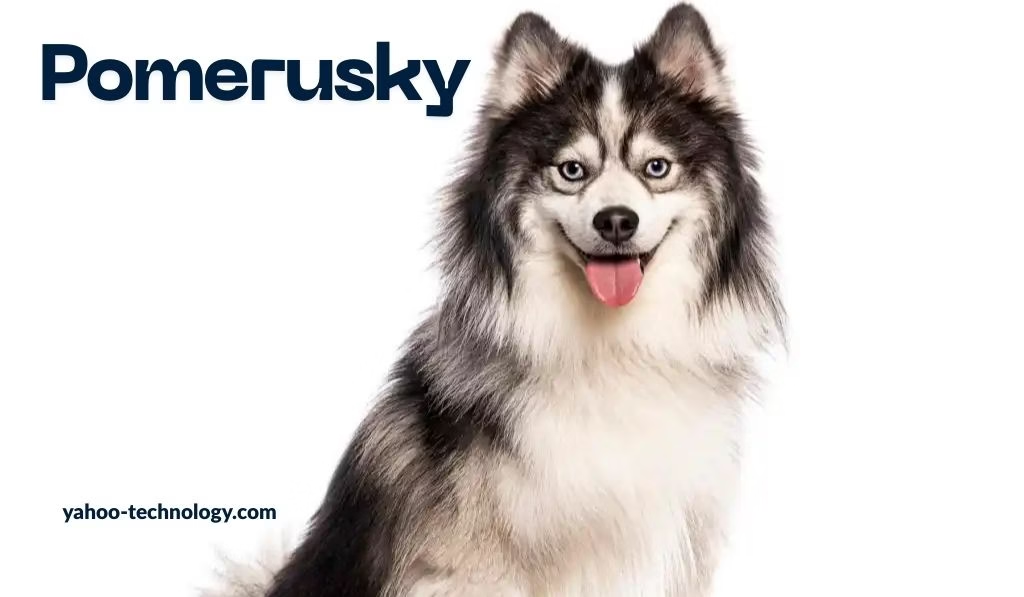
The Pomerusky or Pomsky as he is popularly referred to, has emerged to be among the most desired designer dog breeds in the world. This is an engaging mix of a Pomeranian packaged with a gorgeous look of a Siberian Husky which forms a companion with the look of a miniature wolf and a lovable character.
What is a Pomerusky?
A Pomerusky is a designer breed that has been the hybrid between a Siberian Husky and a Pomeranian. This purposeful breeding surfaced at the beginning of the 2010s because there was a demand in the dogs that had as gorgeous Husky-like appearance but were smaller and easier to keep in the apartment.
Viral popularity of the breed occurred in 2011 when an article published by Buzzfeed provided pictures of what this mix could look like. As of 2012 breeders were able to produce the first deliberate litters using artificial insemination to overcome the large size disparity between parent breeds.
Pomerusky Dogs are covered with fur and have a bright brown color shade.
Size and Weight Variations
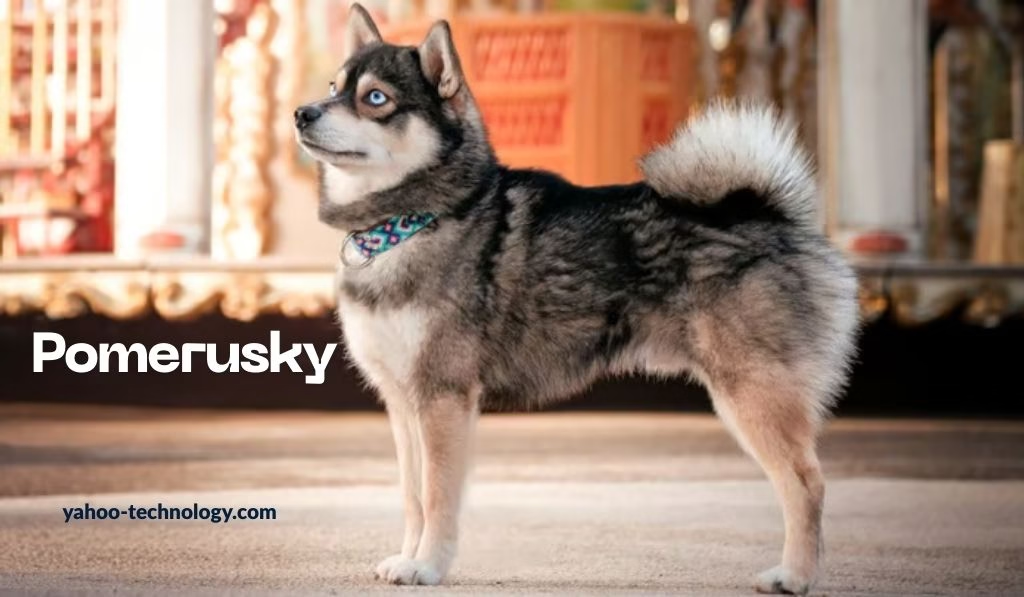
Irregularities in Pomerusky dogs’ size are high because they have mixed ancestry. The vast majority of them can be divided into the following categories:
- Toy Pomerusky: less than 10 inches, 7-15 pounds.
- Mini Pomerusky: 12-20kg, 10-14inch slender.
- Standard Pomerusky: 20-35 pounds, 12-18 inches height.
The first-generation (F1) crosses are the most unpredictable whereas the subsequent generations are more predictable in terms of sizing.
Coat Colors and Patterns
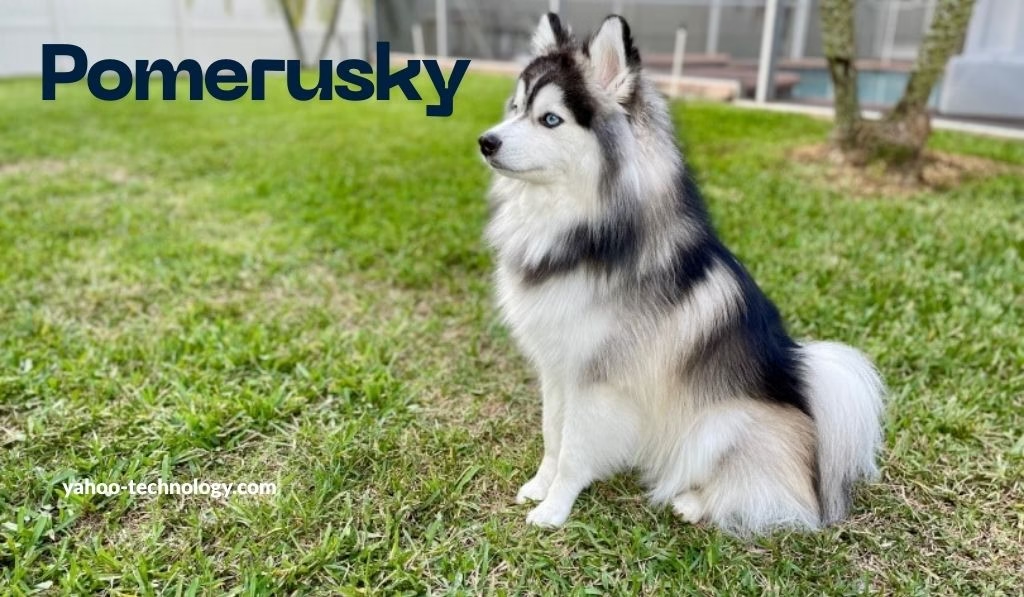
These dogs have a luxurious double coat; an inheritance of both parents. Popular colors of the Pomerusky are:
- Black and white Husky marked.
- Gray and white
- Red and white
- Pure white, black, or sable
- Colour combinations: brown and cream.
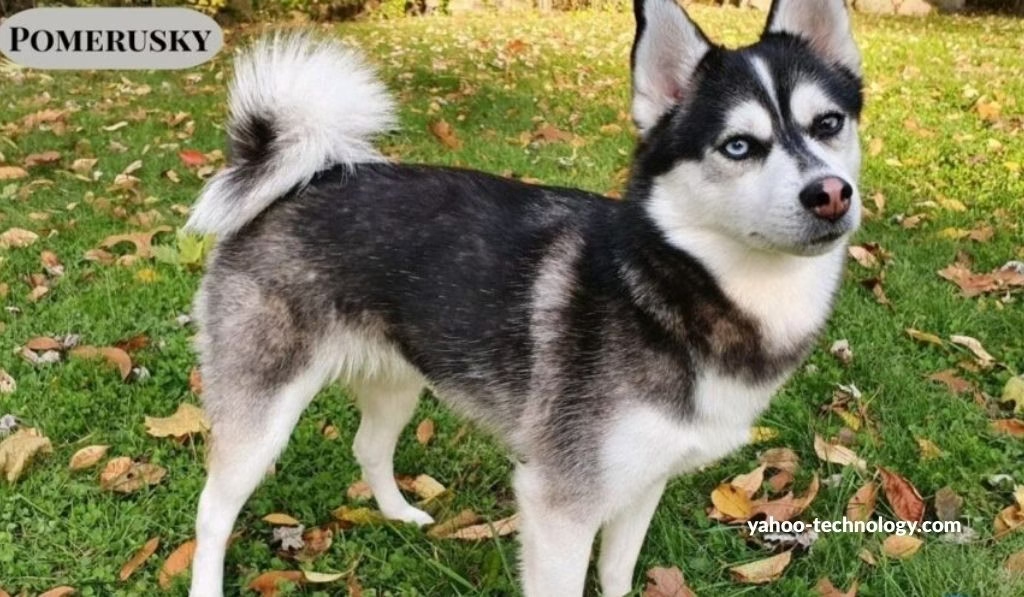
Most of them carry with them the facial mask pattern that is so dramatic in Siberian Huskies which contributes to their wolfish look.
Distinctive Features
Their eye color is one of the most interesting characteristics. Pomerusky dogs may have:
- Bright blue eyes (Husky genes)
- Brown eyes (mother Pomeranian)
- Heterochromia (two color eyes)
- Amber or hazel variations
They are incredibly photogenic with alert and triangular-shaped ears and expressive features that make them look like foxes.
Temperament and Personalities
Levels of Intelligence and Energy
Both parent breeds are high in intelligence and Pomerusky dogs inherit the high intelligence. Pomeranians are placed 23rd among Huskies at position 45 rd in the canine intelligence scale, and therefore this hybrid is very intelligent and easily trained.
Their activity is moderate up to high, and they need 45-75 minutes of exercises daily. These dogs are mentally stimulated by toys in the form of puzzles, training and interactive play.
Social Behavior
Such designer dogs are sociable and loving by nature. They create strong attachment within their families and tend to exhibit:
- Affection and jealousy.
- Whimsical, even naughty by nature.
- Tendencies of vocalization (acquired “Husky talk”)
- Socialized well with children and other pets at an early age.
Nevertheless, they may develop separation anxiety when left alone long enough since they desire the company of a human being.
Training Challenges
Intelligent but stubborn, Pomerusky dogs are a stubborn but sometimes disobedient combination of independent Husky and sometimes disobedient Pomeranian. Best ways of positive reinforcement involve consistency which is key to success.
Cleaning and Nurturing Needs
Coat Maintenance
The Pomerusky is a two-coloured dog: it must be brushed frequently:
- Effective shedding seasons (spring and fall) every day.
- Brushing teeth three or more times each week at regular intervals.
- Recommended Professional grooming at 6-8-week interval.
They should never shave their coat because it helps keep them secure in the extremes of temperature.
Coat blowing Seasonally, there is heavy shedding and needs a lot of daily brushing with an undercoat rake or slicker brush.
Exercise Needs
These energetic dogs require an hour or more physical exercise a day that includes:
- Morning and evening walks
- Interactive play sessions
- Activities enriching the mind.
- Outdoor and hiking (when it is not raining)
Their size is smaller than the purebred Huskies, which means that they can live in apartments as long as they receive regular exercise.
Nutrition Guidelines
Give good dog food in accordance with small to medium breeds. Controlling the portion is important as the breeds of both the parents can be inclined to gain weight. The adult Pomerusky dogs breed does well with 2 feedings per day, whereas the puppies with that breed need 3-4 meals per day.
Read more: Neatlanta: Understanding the Emerging Atlanta Cultural Identity
Health Considerations
Common Health Issues
Pomerusky dogs can have health issues of both parents:
- Kneecap dislocation also known as patellar luxation.
- Hip and elbow dysplasia
- Retinal atrophy and eye disorders.
- Dental issues (most frequent in smaller breeds)
- Tracheal collapse
- Sensitivities and allergies of the skin.
Lifespan and Wellness
Pomerusky dogs have a 12-15 years life span with proper care. Frequent visits to the veterinary, preventive treatment, and healthy weight helps in the prolonged life. Hybrid vigor is beneficial in many cases to reduce some of the inherited health risks.
Cost and Acquisition
Purchase Price
A well bred Pomerusky puppy will cost you between 1500 and 5 000 dollars. Prices vary based on:
- Reputation of breeder and location.
- Special colors of coats or eyes.
- Parent bloodlines
- Generation (f1 puppies are generally more expensive)
Finding Reputable Breeders
Look for breeders who:
- Give health certificates on both parent dogs.
- Accommodate visits to the facility and meet-the-parents.
- Conduct genetic health examinations (OFA, CERF certifications of the eyes)
- Provide health guarantees and contracts.
- Do members of breed groups such as the American Pomsky Kennel Club (APKC) exist?
Puppy mills and backyard breeders should be avoided and ones that do not have documentation or results of health testing.
Ongoing Expenses
The annual expenditures are between 1,000-2,500 and include:
- Premium dog food
- vaccinations and veterinary care.
- Professional grooming
- Training classes
- Pet insurance (recommended)
- Toys and supplies
Training Your Pomerusky
Early Socialization
The socialization of Pomerusky is very heavy at an early age. Expose puppies to various:
- People of different ages
- Other animals
- Environments and sounds
- Situations and experiences
This avoids fearfulness and also controls any guardedness or protective instincts or prey drive.
Basic Obedience
Begin with basic instructions:
- Sit, stay, come, down
- Leash training (must have since there can be pulling behaviors)
- Training in houses (this is aided by training in the crates)
- Treatment of excessive talkativeness.
Obedience does not result in selectivity where there is uniformity throughout the family.
Living with a Pomerusky
Ideal Living Situations
The pomerusky dogs are found to fit well in different environments provided that their needs are addressed:
- Apartments (with sufficient daily activities)
- Houses with yards
- Urban or suburban settings
- Cooler climates are favored, but can survive in different temperatures.
Family Compatibility
These dogs work well for:
- Active families or individuals.
- Knowledgeable owners (preferably) of dogs.
- Families that have time to exercise and groom.
- Families having older children.
- Multi-pet families (with proper introductions).
They might not be the best choice for people who are first-time owners of dogs because of the issues of training, or individuals with small children who could be too energized.
Climate Considerations
They are well adapted during the colder weather since they have a two-layered coat. In hot climates, provide:
- Air conditioning or satisfactory cooling.
- Shade and fresh water
- Work out in the cooler seasons.
- Checking on signs of overheating.
Pomerusky vs. Other Designer Breeds
The Pomerusky is a unique breed of designers due to its peculiarity of size and appearance. Pomskies can be raised, as opposed to Labradoodles or Goldendoodles raised as hypoallergenic, since they have attractive appearance and are small in size but still have Husky traits.
They are not hypoallergenic and shed significantly and thus cannot be used by allergy victims.
Breed Recognition Status
Today, the Pomerusky dogs are not listed as members of large kennel associations such as AKC. They may be however registered with:
- American Pomsky Kennel Club, Inc. (APKC)
- International Kennel Club (IKC) – striving to be recognized.
- Pomsky Owners Association
- Designer Kennel Club
When breeding programs are more mature and characteristics more predictable, it could be followed by official recognition.
Pomerusky Dogs: Frequently Asked questions
Q: Do Pomskies contain hypoallergenic components?
A: No, Pomerusky dogs are not hypoallergenic. Their coats are also double and fall out heavily twice a year as they change their season hence not suitable to individuals with dog allergies.
Q: How big do Pomskies get?
A: The Pomerusky dog measures 10-15 inches at the shoulder with a weight range of 15-30 pounds. The size however differs significantly based on the dominance of the genes of the different parents where some are as small as 7 pounds and as large as 35 pounds.
Q: Are Pomskies child friendly?
A:Yes, they tend to be nice with children when they are well socialized Pomerusky dogs. They are medium-sized and playful and are good companions in the family. Nevertheless, they might be shy with young children and need to be monitored with interactions.
Q: What is the amount of exercise required by a Pomsky each day?
A: Pomerusky dogs require exercise of a minimum of 45-75 minutes per day, which may be walking, play time and mental activity. They also possess moderate-high energy levels as an inheritance of the two active parent breeds.
Q: Does Pomsky live in apartments?
A: True, Pomerusky dogs are able to adjust to apartment life more than full size Huskies. Nevertheless, they also need exercises every day and can be loud, and the neighbors with thin walls may be disturbed. They are smaller than Huskies of pure breed and are therefore better placed in smaller areas due to their manageable size.
Q: Why then are Pomskies all costly?
A: Pomerusky puppies are priced at between 1500-5000 dollars because of the expensive breeding process (artificial insemination is necessary), the costs of health tests of reputable breeders, their demand, and uncertainty of the crossbreds. Rare colors such as blue eyes or odd colors add further to the prices.
Q: Do Pomskies bark a lot?
A: Pomerusky dogs are vocal and they are given the thought of talking like the Husky using howls, whines and other forms of vocalisation, which is coupled with the alertness of the Pomeranian. They are great watchdogs but need to be trained on how to cope with over talking.